How Fabric Shops in Singapore Can Help You Recreate Trending Looks
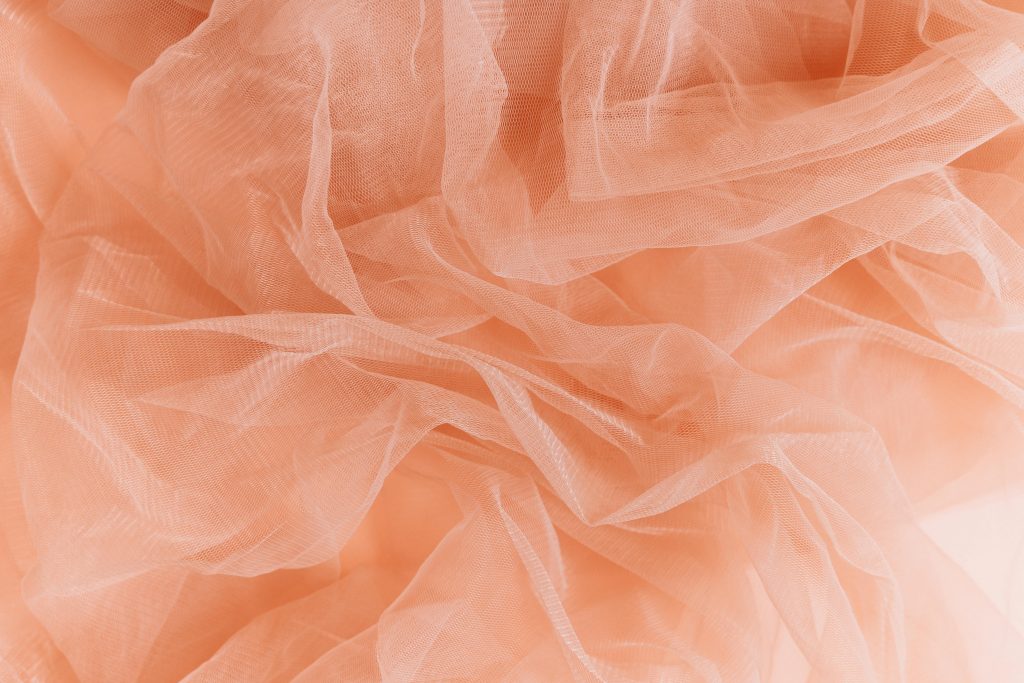
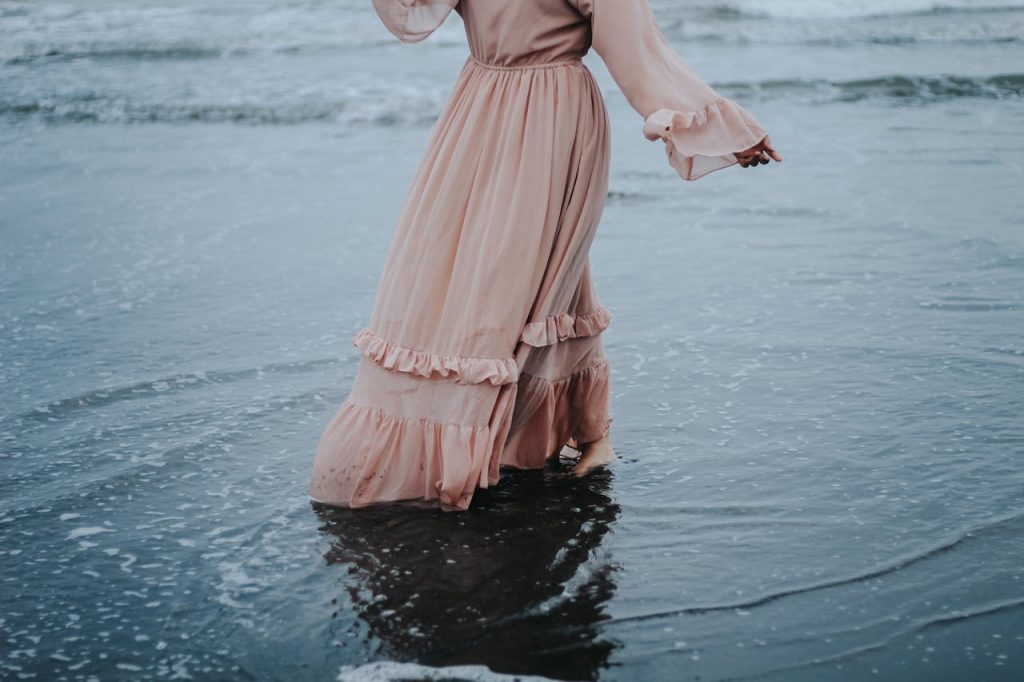
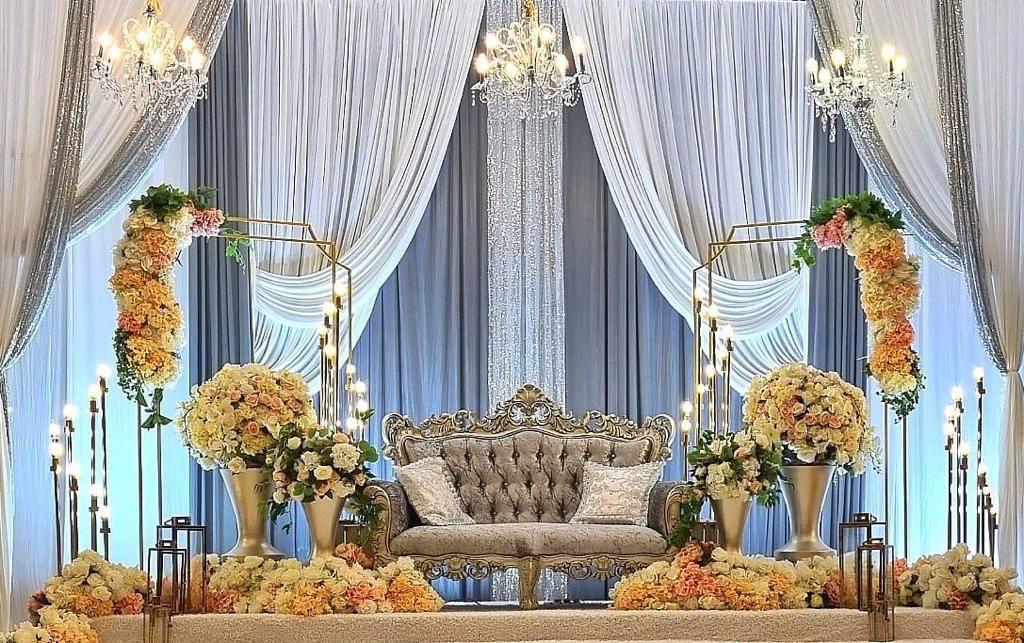
Recreating a trending fashion look starts with choosing fabric that can reproduce the shape, movement, texture and overall character of the original design. Most fashion lovers know why fabric selection matters as two garments made from the same pattern can look completely different when different textiles are used. For fashion projects, fabric influences how a garment fits, moves and holds its shape. For event decor, it can transform a plain venue into a more immersive space through draping, textured backdrops and layered installations. This makes fabric selection important for a wide range of buyers, from designers and DIY enthusiasts to wedding planners and event decorators. Singapore’s creative landscape is influenced by both international and local trends. The best way to find the right fabric is to visit a fabric shop in Singapore. Shoppers can gain access to materials that make it possible to design runway pieces, social media outfits, or even seasonal fashion trends. Fabric suppliers serve as more than a source of materials. They help compare how different textiles feel, fall and respond to movement before deciding whether they are suitable for a particular fashion concept. Why Fabric Matters When Recreating Trending Looks Fabric determines much of a finished design’s appearance, structure and movement. Two garments made from the same pattern can look completely different depending on the material used. Similarly, an event backdrop can change significantly when a stiff fabric is substituted for one with soft drape. When recreating a trending look, it is important to look beyond colour and pattern. The physical characteristics of a textile affect how successfully it translates an idea into a finished garment or decorative installation. Several properties should be considered: For example, a voluminous skirt requires a different level of structure from a flowing blouse. Likewise, a wedding arch with cascading fabric needs materials that can gather and fall naturally, while a corporate backdrop may require greater opacity and stability. Choosing a fabric purely on its colour can lead to unexpected results, which is why comparing materials physically in a fabric shop is necessary to identify whether they can achieve the intended effect. Exploring Trending Fabrics at Fabric Shops in Singapore Fashion trends in Singapore are influenced by international runways, regional styles, social media and individual experimentation. At the same time, many of these material trends are appearing beyond clothing and influencing interiors and event styling. Rather than focusing on a single fabric type, current trends often emphasise texture, layering, surface detail and visual contrast. This makes fabric selection more flexible for both fashion and decorative applications. Textured Fabrics Textured fabrics continue to attract attention because they add depth without requiring complicated construction or excessive embellishment. Jacquard, pleated textiles, embroidered materials and fabrics with raised woven patterns can make a simple design more visually interesting. In fashion, texture can turn a straightforward dress, skirt or jacket into a statement piece. For event decor, textured fabrics can be used across backdrops, table styling and focal installations to prevent large spaces from appearing flat. This approach is particularly relevant to current event styling, where designers are increasingly using material texture to create visual richness rather than relying entirely on bold colours or large quantities of decor. When selecting textured fabrics, however, buyers should consider scale. Fine textures may work well for close-up details, while larger patterns and raised surfaces can have more impact across wider backdrops. Printed Fabrics Printed fabrics allow colour, motifs and patterns to become a central part of a design. Florals, geometric patterns, abstract designs and stripes can be interpreted differently depending on the scale and placement of the print. For DIY fashion in Singapore, printed fabrics can make relatively simple garment patterns more distinctive. A basic dress or shirt can take on a completely different character depending on the print selected. Prints can also be incorporated into event decor, particularly for themed celebrations, exhibitions and smaller decorative elements. However, large printed fabrics should be considered carefully when used for backdrops, as a busy pattern may compete with signage, floral arrangements or stage elements. Print placement is equally important for sewing. Directional patterns may require additional planning to ensure motifs face consistently across different sections of a garment. Sheer and Lightweight Fabrics Sheer fabrics remain versatile because they can create movement and layers without adding significant visual weight. Chiffon, organza and lightweight mesh can be used in garments as well as decorative installations. In fashion, these materials are commonly associated with layered dresses, blouses and statement sleeves. In event styling, they can be gathered around wedding arches, suspended from ceilings or layered across backdrops. Their interaction with lighting is another advantage. Semi-transparent materials can soften light and create depth when used alongside LED or ambient lighting. However, transparency needs to be assessed according to the application. A fashion garment may require lining for additional coverage, while an event backdrop may need multiple layers to conceal structures behind it. Lustrous Fabrics Fabrics with smooth or reflective finishes create visual contrast because they respond strongly to light. Satin and similar materials can add a polished appearance while maintaining fluid movement. For fashion projects, lustrous textiles can be used for evening-inspired garments, skirts and statement tops. In event decor, they can appear in table styling, stage details and decorative draping. The amount of shine should be considered in relation to the wider design. Highly reflective materials may become a focal point, while subtle lustre can complement other textures without dominating the overall look. Matching Fabric Texture and Drape to Different Uses Texture is the surface quality of a textile, while drape is how the material falls under its own weight. Both characteristics influence whether a fabric is suitable for a particular project. Consider the following comparison: Intended Use Useful Fabric Characteristics Possible Fabric Types Structured dresses Stable, medium weight Jacquard, twill, cotton blends Flowing skirts Soft and fluid Chiffon, crepe, rayon-type fabrics Statement garments Distinctive texture Textured woven fabrics, jacquard Wedding draping Lightweight and flowing Chiffon, voile, organza Event backdrops Appropriate opacity and